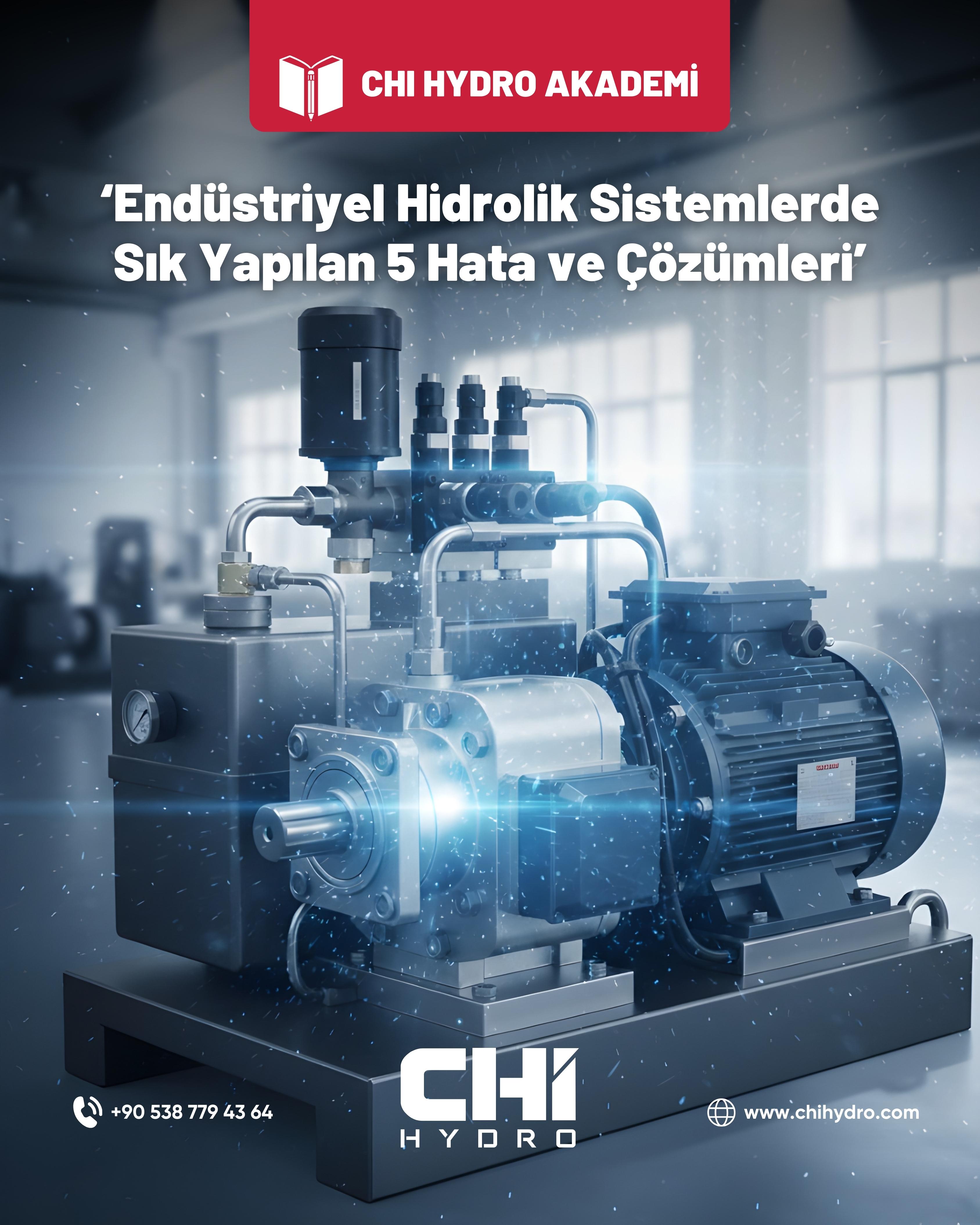
5 Common Mistakes in Industrial Hydraulic Systems and How to Prevent Them
Industrial hydraulic systems are the backbone of modern manufacturing facilities, known for their high power density, precision, and reliability. However, even the most robust hydraulic systems can suffer significant performance losses due to improper maintenance, incorrect operation, or overlooked warning signs. A hydraulic failure can lead not only to production downtime but also to costly repairs, reduced equipment lifespan, and increased operating expenses.
Below are five of the most common mistakes encountered in industrial hydraulic systems and the professional solutions that can help prevent them.
1. Using the Wrong Hydraulic Oil and Ignoring Change Intervals
One of the most common maintenance mistakes in hydraulic systems is selecting the wrong fluid. Every hydraulic system is designed to operate with a specific oil viscosity and performance specification.
Mistake:
Choosing hydraulic oil based solely on cost or using a fluid that does not meet the manufacturer's specifications.
Solution:
Always use hydraulic oils that match the viscosity grade and performance requirements recommended by the equipment manufacturer. Instead of relying solely on visual inspections, determine oil replacement intervals through regular oil analysis and condition monitoring programs.
2. Neglecting Filtration Systems
A large percentage of hydraulic failures are caused by fluid contamination. Microscopic particles can significantly reduce the lifespan of pumps, valves, cylinders, and other critical components.
Mistake:
Replacing filters only when they become completely clogged or when the bypass valve is activated.
Solution:
Regularly monitor differential pressure indicators and follow a preventive maintenance schedule for filter replacement. Use high-quality filters with the appropriate micron rating and maintain fluid cleanliness levels according to ISO 4406 standards.
3. Overlooking Overheating Issues
The ideal operating temperature for most hydraulic systems typically ranges between 40°C and 60°C (104°F–140°F). Temperatures above 80°C (176°F) can damage seals and accelerate hydraulic oil degradation.
Mistake:
Failing to maintain heat exchangers or using cooling systems with insufficient capacity.
Solution:
Continuously monitor system temperatures using sensors or thermal imaging cameras. Clean air and water passages in cooling units regularly and evaluate cooling capacity whenever operating conditions change.
4. Incorrect Accumulator and Pressure Settings
Operating a hydraulic system at pressures higher than required increases energy consumption and accelerates component wear.
Mistake:
Overtightening relief valves in an attempt to achieve greater power or performance.
Solution:
Always operate the system within its designed pressure range. Check accumulator nitrogen pre-charge pressure at least every six months to maintain proper shock absorption and energy storage performance.
5. Component Installation and Connection Errors
Even minor installation mistakes can lead to major hydraulic problems. Misaligned pumps, loose fittings, and improperly installed connections can cause air ingress, cavitation, and fluid leaks.
Mistake:
Ignoring leaks and simply adding more hydraulic oil instead of addressing the root cause.
Solution:
Identify and repair leaks immediately. If cavitation noise—often described as a gravel-like or rattling sound—is detected, shut down the pump and inspect the suction line without delay.
Conclusion: Proactive Maintenance Drives Long-Term Reliability
Achieving long service life and maximum efficiency from hydraulic systems requires a disciplined and proactive maintenance approach. Every hydraulic failure should be viewed as an early warning sign that demands attention. By implementing preventive maintenance strategies, using the correct components and fluids, and monitoring system performance regularly, manufacturers can significantly reduce unplanned downtime, lower operating costs, and extend equipment lifespan.
Expert Support
If you need professional assistance with hydraulic system maintenance, engineering services, or high-quality hydraulic manufacturing solutions, our team is ready to help. With the right expertise and preventive strategies, you can improve system reliability, maximize productivity, and ensure sustainable operational performance.